 Illustration
Is the end of the world coming? What it means for the North Country
From Brussels to Albany, governments are telling families to keep days of supplies on hand. The short answer to the big question is no. The longer answer, for a region that lived through Ice Storm '98, is worth a few minutes and a trip to the store.
If it feels like everyone is suddenly telling you to stock up, you are not imagining it. The European Union wants every household able to last 72 hours on its own. New York State tells families to plan for 10 days. The National Guard soldiers who teach the state's free preparedness classes say 7 to 10. And this week, the last week of October, is Winter Weather Awareness Week across Western and Northern New York.
Put that next to a war with Iran, federal warnings about hackers inside water plants, and talk of a thinner cushion on the power grid, and it is easy to land on the question on our cover.
So let's answer it plainly: no. Nothing in the official warnings predicts the end of anything. What the warnings do say is narrower and more useful: help can take days to arrive, the systems we lean on have real weak spots, and the North Country has already lived through what happens when the lights go out in January. Here is what is driving the push, what is verified, what is not, and what a sensible household in Jefferson, Lewis and St. Lawrence counties can do this weekend.
A worldwide push to prepare
The loudest signal came from Europe. On March 26, 2025, the European Commission released a Preparedness Union Strategy that asks people to keep at least three days of food, water, medicine, batteries and important papers. Officials framed it around natural disasters, cyber threats and conflict. Asked whether it amounted to scaremongering, Commissioner Roxana Mînzatu compared it to buying accident insurance.
That comparison is the key to reading every warning in this story. Insurance is not a prediction that your house will burn down. It is a bet that being ready costs less than being caught short.
New York's own guidance goes further than Europe's. The state's Before an Emergency page asks families to make a plan, build a kit for at least 10 days, sign up for NY-Alert and get involved with a volunteer group. It also carries a warning worth repeating: the agency will never call you asking for personal information.
The headlines fueling the worry
A war with Iran. The United States and Israel began striking Iran on Feb. 28, 2026, a campaign the Pentagon calls Operation Epic Fury. The U.S. intelligence community's 2026 Annual Threat Assessment says Iran threatens U.S. networks and critical infrastructure through cyber espionage and attacks, and names China, Russia, North Korea and ransomware gangs alongside it.
Hackers inside water and energy controls. In April, seven federal agencies including the FBI, CISA, the NSA and the EPA issued advisory AA26-097A, warning that Iranian-affiliated hackers were breaking into internet-exposed control equipment at water, wastewater and energy sites, including local municipal systems. A July update said some changes switched off shutdown and alarm logic. In August, CISA confirmed attacks on more than 100 internet-exposed water and wastewater systems in July. TechCrunch reported the intrusions had little effect on water supplies but caused outages and disruption.
Election-season phishing. On Oct. 16, the FBI and CISA warned that criminals may use AI-polished phishing emails and texts to steal logins from election and campaign officials ahead of Tuesday's midterms. That warning is about stolen passwords and data. It does not say voting machines or vote counts have been compromised.
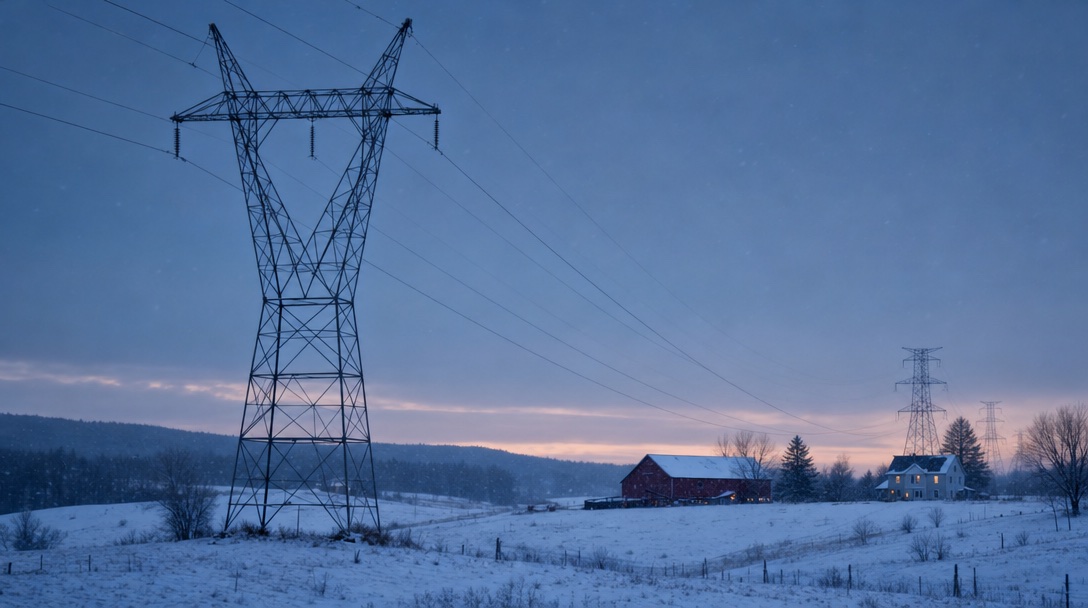
A thinner grid cushion. New York's grid operator, NYISO, has said for several years that the margin between available power and peak demand is shrinking. Heading into last winter it projected enough capacity but flagged risks in an extreme cold snap, when gas for power plants competes with gas for heating.
 Illustration
Why Washington is telling counties to get ready, too
Part of the push is about who shows up after a disaster, and how fast. On May 7, 2026, a presidentially appointed FEMA Review Council released a final report recommending that disaster response be "locally executed, state managed and federally supported."
In practice, the council proposed giving states the lead role, moving emergency sheltering from FEMA to the states, and raising the bar for federal disaster declarations. One analysis estimated that could mean about 16 fewer major disaster declarations a year nationwide. Counties would reach federal money through their states rather than directly. Most of the changes would need Congress to act, and they would phase in over two to three years.
Whatever happens in Washington, the direction is clear. More of the first days after a disaster will rest on the county, the town and the household.
“"So, learning this helps us help your neighbors." Capt. David Falcon, New York National Guard, on the state's free preparedness classes”
The Guard's pitch: if you're ready, they can help someone else
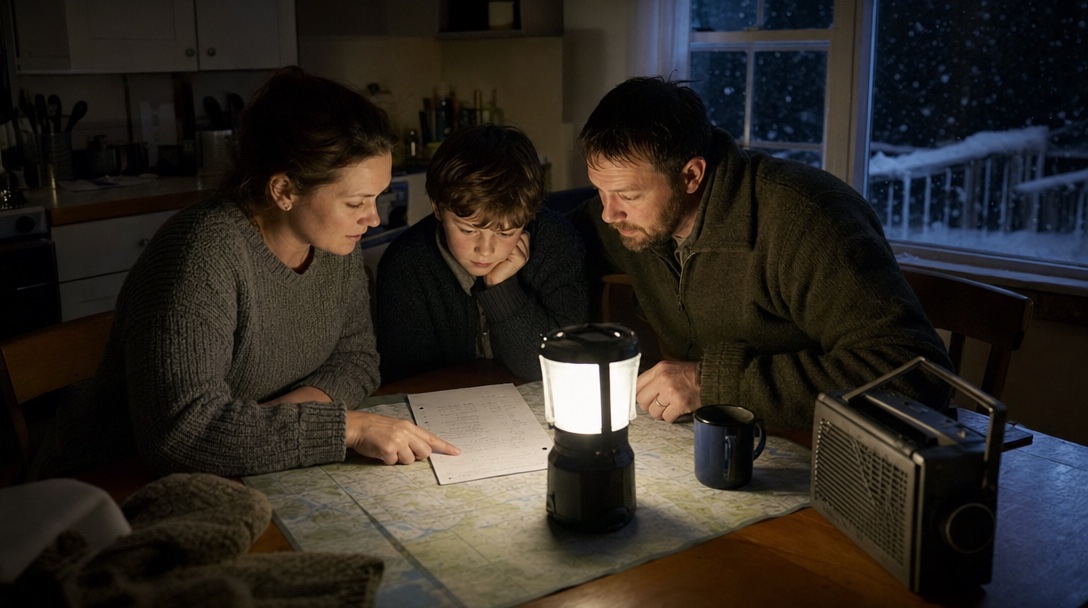
Since 2014, New York has run the Citizen Preparedness Corps, free 60- to 90-minute classes taught by the New York National Guard. Capt. David Falcon, the officer in charge of the program, told WWNY this month that families should plan for 7 to 10 days on their own, with a home kit, a go-bag and a plan for leaving by car. Every household that does, he said, frees soldiers to reach the people who can't.
Public classes end with a free emergency go-bag for each family, but they need at least 50 registrations or they are cancelled. As of Oct. 31, the state's training calendar lists sessions through Dec. 12, and none of them are in Jefferson, Lewis or St. Lawrence counties. The closest is in Indian Lake, Hamilton County, on Nov. 4. Churches, clubs, schools and town boards can request a class of their own. North Country groups that want one should ask now.
 Illustration
We've already lived the real thing
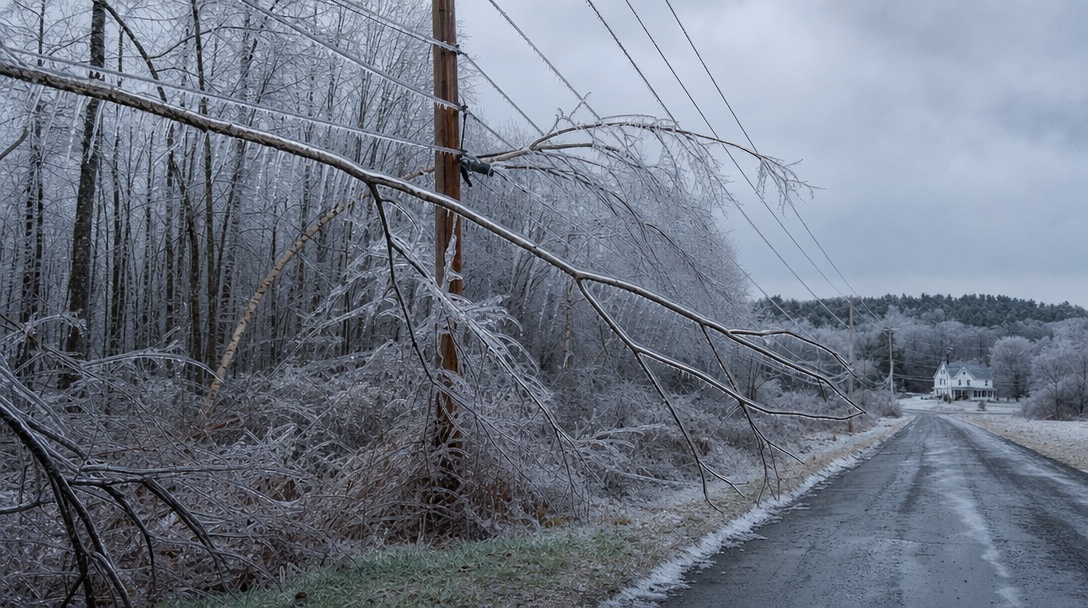
The North Country does not need to imagine a long emergency. In January 1998, freezing rain fell for days and coated the region in ice up to four inches thick, according to the National Weather Service in Buffalo. Hundreds of thousands of people lost power, some for more than a week, and some residents waited weeks.
More than 3,000 National Guard members from five states responded, along with soldiers from Fort Drum's 10th Mountain Division. Of the nine storm-related deaths in the North Country, four were carbon monoxide poisonings from generators and heaters run in places without enough fresh air. The storm is still the reason county emergency plans start with power.
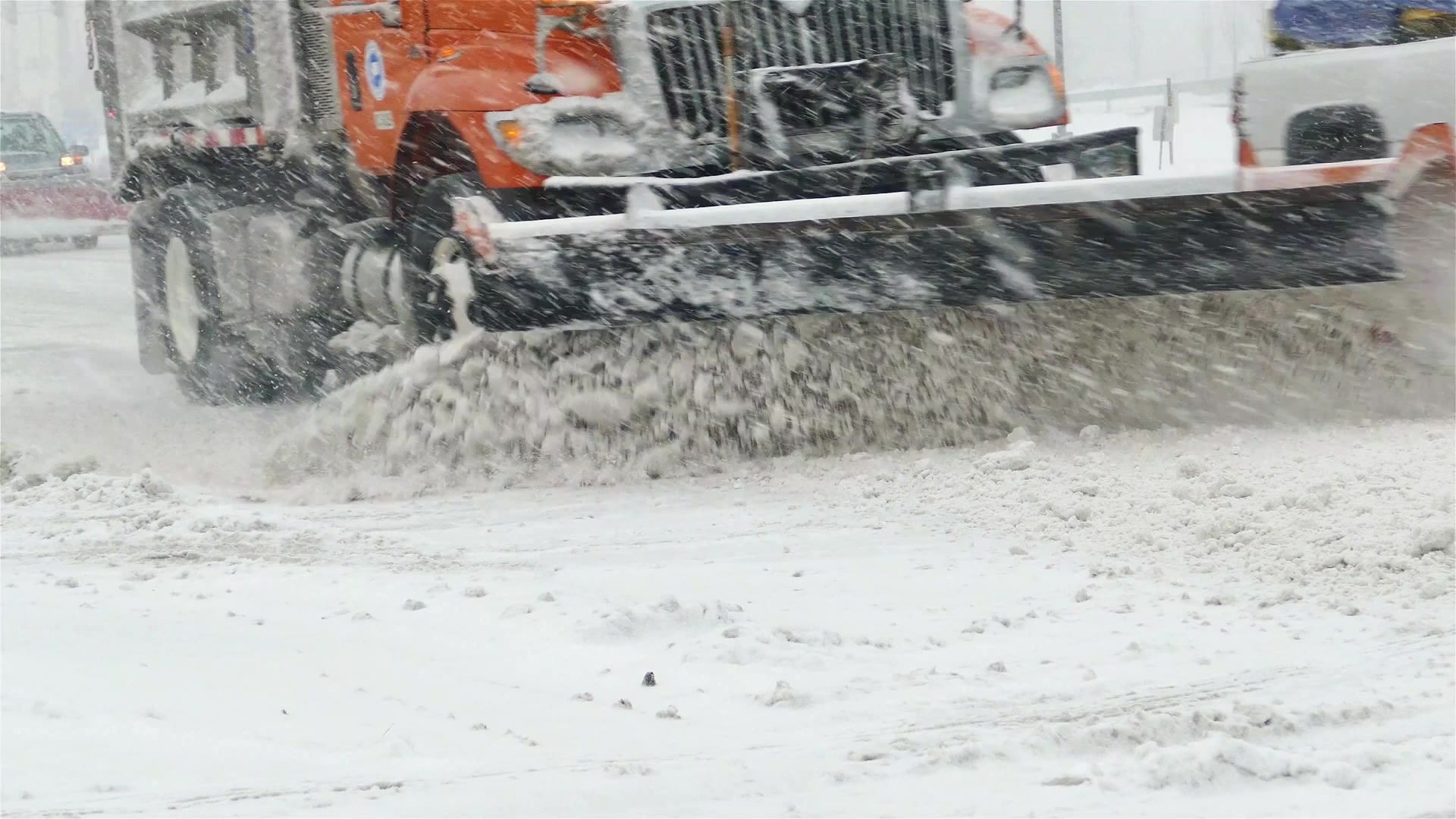
It keeps happening. On Nov. 29, 2024, Gov. Kathy Hochul declared a state of emergency for Jefferson and Lewis counties as a lake-effect band was forecast to bury the Tug Hill and the Watertown area under feet of snow. On Jan. 23, 2026, she declared a statewide emergency ahead of extreme cold, with wind chills forecast as low as 40 to 50 below zero in parts of the North Country.
 Illustration
Fort Drum and the water question
Some of the worry online has centered on Fort Drum. Here is what the public record shows. On Oct. 24, 2024, the post's Directorate of Public Works held a tabletop exercise in which cybersecurity, IT and water operators worked through a made-up scenario: a cyber incident that hits the system used to monitor and control the post's water. A CISA protective security adviser, Pete Owen, said the goal was to test how the garrison would respond and recover and to find gaps in its plans.
That is planning, not a threat. The Army's account describes a "what if" drill, and ClickNNY found no public report of a specific threat to Fort Drum's water or to neighboring communities. ClickNNY will ask Fort Drum Public Affairs whether anything has changed since and report what they say.
 Illustration
Preparing is not prepping
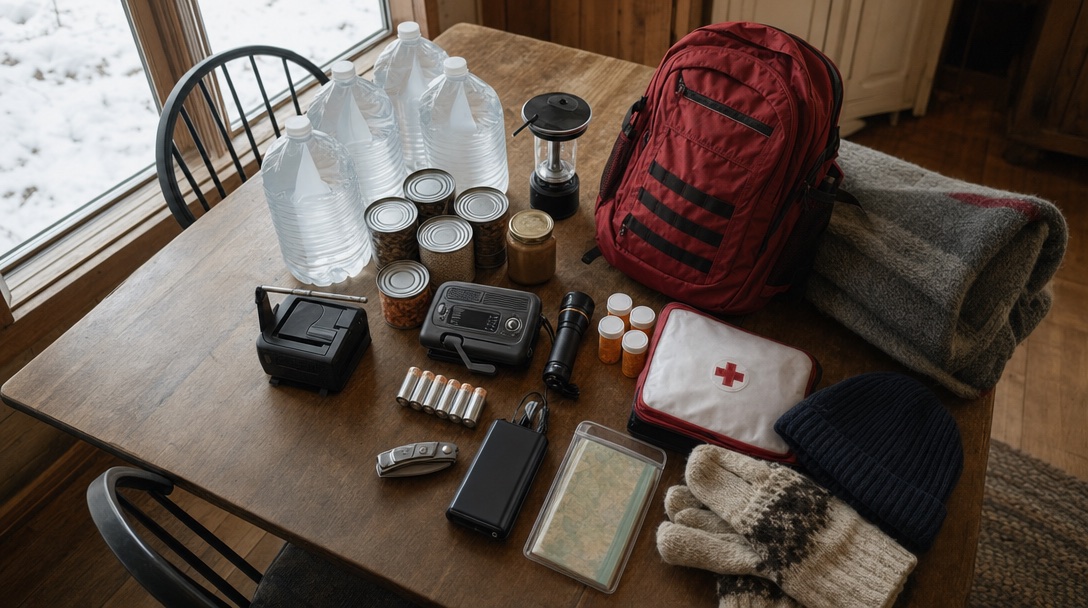
There is a difference between doomsday prepping and what emergency managers are asking for. Nobody in these warnings is telling North Country families to build a bunker or buy a year of freeze-dried food. They are asking for what a farm family on the Tug Hill would call common sense: enough water, food, heat, medicine and information to ride out a week if the roads close and the power goes.
The counties plan for the same things. St. Lawrence County's 2026 Comprehensive Emergency Management Plan lists power failure, flooding and ice storms as its biggest threats. Jefferson County keeps a 2025 Hazard Mitigation Plan and a free phone app, Prepare Jefferson County NY, with outage and emergency resource information. Its Local 20/20 neighborhood preparedness effort says it has helped well over 100 neighborhoods organize since 2006.
 Illustration
Know who to call before you need them
In a life-threatening emergency, call 911. For planning questions, shelter information during an event, or to ask about a preparedness class for your group, these are the county offices that run the response.
Your local emergency offices
Numbers and addresses come from each county's official listings.
Jefferson, Lewis and St. Lawrence counties
- Jefferson County Office of Fire and Emergency ManagementDirector Joseph D. Plummer · 753 Waterman Drive, WatertownAlso runs the county 911 centerOffice: 315-786-2654After hours (dispatch): 315-786-2601
- Lewis County Office of Emergency ManagementLowvilleOffice: 315-376-5234
- St. Lawrence County Office of Emergency Services48 Court St., CantonOffice: 315-379-2240
 Illustration
If the power went out and the roads closed tomorrow, how long could your household get by without outside help?
0 votes · tap to vote
Questions readers are asking
- Is the government saying a disaster is coming?
- No. The European Union, New York State and the National Guard are asking households to be ready to get by on their own for several days. None of the warnings in this story predicts a specific disaster or names a North Country community as a target.
- How many days of supplies should a North Country family keep?
- New York's Division of Homeland Security and Emergency Services recommends at least 10 days. The National Weather Service asks for at least three days of food, and the National Guard's preparedness trainers say to plan for 7 to 10 days. Water is one gallon per person per day.
- Is our drinking water at risk from hackers?
- Federal agencies warned in 2026 that Iranian-affiliated hackers were targeting water and energy control equipment left open to the internet, and CISA said more than 100 water and wastewater systems were targeted in July. Reporting at the time said water supplies were largely unaffected. ClickNNY found no public report of a specific threat to North Country water systems.
- Where can I take a free preparedness class and get a free go-bag?
- The state's Citizen Preparedness Corps, taught by the New York National Guard, gives each family at a public class a free go-bag. As of Oct. 31, 2026, no class is scheduled in Jefferson, Lewis or St. Lawrence counties through Dec. 12. Groups can request one through the Division of Homeland Security and Emergency Services website.
- How do I get emergency alerts on my phone?
- Sign up for NY-Alert, the state's free alert system, at alert.ny.gov. You can choose phone calls, texts or email, and pick the counties and alert types you want.
- What is the biggest winter safety mistake during an outage?
- Running a generator or fuel-burning heater indoors or in a garage. Four of the nine North Country deaths in the 1998 ice storm were carbon monoxide poisonings. Run generators outside, away from doors and windows, and keep a working CO alarm.
What's verified, and what isn't
Verified: The EU's 72-hour goal and New York's 10-day guidance. The National Guard's 7-to-10-day advice. Federal advisories on Iranian-affiliated hacking of water and energy controls, and CISA's count of more than 100 targeted water systems. The FBI-CISA election phishing warning. The FEMA Review Council's recommendations. The 1998 ice storm's toll and the 2024 and 2026 state emergencies.
Not established: Any specific threat to a North Country town, water system, power line or Fort Drum. Any prediction of a nationwide collapse. Social media posts that say otherwise are not backed by the public record ClickNNY reviewed.
The end of the world is not on the forecast. Winter is. The same steps that get a family through a week-long ice storm cover almost every other emergency on the list, and the North Country already knows how to take them. Have something to add, or a preparedness class your group is hosting? Send ClickNNY a tip.
More from ClickNNY

ClickNNY Election 2026 · Showdown in Jefferson County
Ousted by his own party, still on the ballot: inside Jefferson County’s three-way fight for power
ClickNNY Guide · Community
Protecting hibernating bats in St. Lawrence County: what to know

ClickNNY Special Report · Technology
The Good. The Bad. The Rogue.
Tell us what we missed
Know something North Country readers should hear about this? Send the ClickNNY desk a local tip, a correction or a photo.
Editor’s note: This report was checked against the primary sources linked throughout: federal advisories, state and county emergency plans, and the National Weather Service. Where something is a warning about what could happen rather than evidence of what is happening, we say so. ClickNNY is reaching out to the Jefferson, Lewis and St. Lawrence County emergency management offices, National Grid and Fort Drum Public Affairs and will add their answers. Images marked as illustrations were made for this story and do not show real people or places.