 Illustration
North Country winter driving and snow blower safety: what to know
Fort Drum Safety Office courses and New York guidance offer North Country residents advice on winter driving, vehicle preparation and snow blower operation.
Winter driving and snow removal require preparation in the North Country, where snow and ice can create hazardous conditions. Fort Drum’s annual safety courses cover winter driving and snow blower operation, while New York agencies recommend preparing vehicles and carrying emergency supplies.
What do Fort Drum’s winter safety courses cover?
Fort Drum’s Winter Driving and Snow Blower Operation courses are available to Soldiers, Army civilians and family members. The Winter Driving Course runs from early October through mid-March.
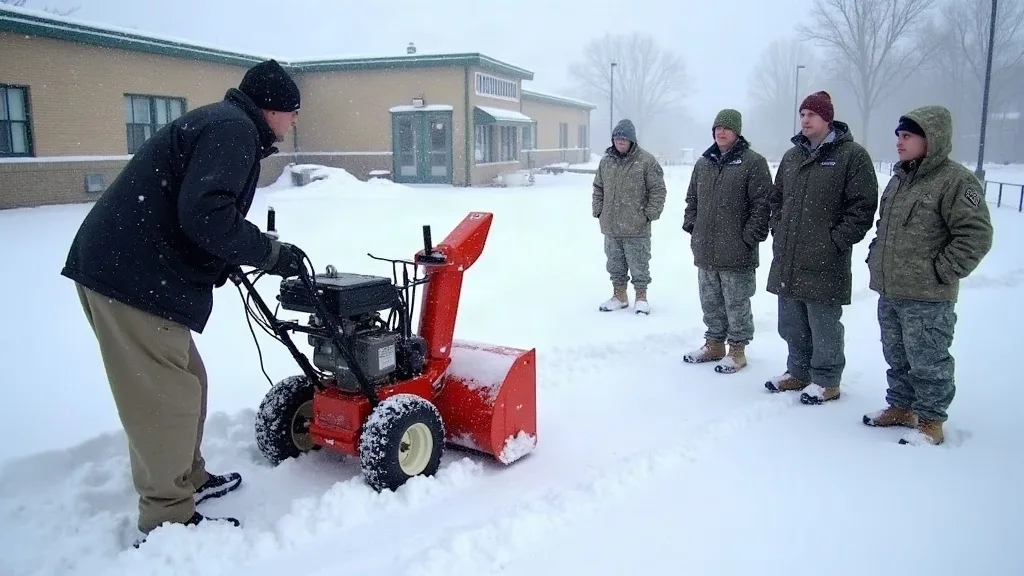
The snow blower course covers how to start and operate the equipment, check for debris, direct snow safely and handle wet snow or ice. Participants also learn basic maintenance, appropriate protective clothing and ways to reduce the risk of accidents or equipment damage.
How should drivers prepare their vehicles for North Country winter?
Drivers should check tire tread, fuel, lights, windows, heater and defroster before winter travel, according to the New York State Department of Motor Vehicles and the Governor’s Traffic Safety Committee. Drivers are also urged to carry an emergency kit in their vehicles.
New York law permits snow tires from Oct. 16 through April 30. Headlights must be on when windshield wipers are operating, and driving with a view blocked by snow or ice is illegal.
What should drivers know about snow and ice on local roads?
Drivers should slow down, leave extra space and stay well behind snow plows on North Country roads. New York’s winter-driving guidance warns that plows have blind spots and cannot stop quickly; drivers should not pass them.
Fort Drum Police Lt. Scott Ferard highlighted caution around busy traffic circles during a Community Information Exchange on Oct. 7, 2026. Traffic circles, changing road conditions and accumulated snow or ice can require drivers to allow more time and distance for turns and stops.
How can people use snow blowers more safely?
People should inspect the area for debris, wear protective clothing and use care when working with wet snow or ice. The Fort Drum course also emphasizes proper starting and operating procedures, snow direction, maintenance and techniques intended to prevent accidents and equipment damage.
A snow blower should be handled according to its operating procedures, with attention to the condition of the snow and the direction it is discharged. The course is intended to help community members prepare before regular winter storms arrive.
Who can take Fort Drum’s courses and where are they held?
Fort Drum’s courses are intended for Soldiers, Army civilians and family members, and registration is available by phone at 315-772-0310. Classes are held at Bldg. 4884 on Jones Street.
The schedule is listed in the Events tab of the My Army Post app. The next Community Information Exchange is scheduled for 10 a.m. Nov. 4 at The Peak.
Where to get help or more information
The Fort Drum Safety Office provides information about the Winter Driving and Snow Blower Operation courses. New York’s DMV and Governor’s Traffic Safety Committee provide guidance on winter vehicle preparation, snow tires, headlights, visibility and safe driving around plows.
Drivers can review the New York DMV’s winter driving guidance and New York’s safe winter driving campaign. Course registration is available at 315-772-0310, and the Fort Drum schedule is listed in the My Army Post app’s Events tab.
Common questions
- How do I register for Fort Drum’s winter safety courses?
- Call 315-772-0310 to register. Classes are held at Bldg. 4884 on Jones Street, and the schedule is listed in the My Army Post app’s Events tab.
- Who can attend the Fort Drum courses?
- The courses are for Soldiers, Army civilians and family members. They cover winter driving and snow blower operation.
- When is Fort Drum’s Winter Driving Course offered?
- The course runs from early October through mid-March. Registration is available by calling 315-772-0310.
- When can New York drivers use snow tires?
- New York law allows snow tires from Oct. 16 through April 30. Drivers should still choose equipment appropriate for current road conditions.
- What should Northern New York drivers carry in a winter vehicle?
- Drivers should carry an emergency kit and check tire tread, fuel, lights, windows, heater and defroster. These preparations are recommended by the New York DMV and Governor’s Traffic Safety Committee.
- What are the rules for driving near snow plows in New York?
- Drivers should stay well behind snow plows and not pass them. Plows have blind spots and cannot stop quickly.
- Can I drive with snow or ice blocking my windows?
- No. New York guidance says driving with a view blocked by snow or ice is illegal. Headlights must also be on when windshield wipers are operating.
More from ClickNNY

ClickNNY Featured · Technology
Two Flaws, Millions of Websites: Inside the PHP Emergency and Why the Web Keeps Ending Up Here

ClickNNY Guide · Other
Teen driver safety in St. Lawrence County: rules and tips for families

ClickNNY Guide · Fort Drum
Fall foliage on Fort Drum and in the North Country: what to know
Tell us what we missed
Know something North Country readers should hear about this? Send the ClickNNY desk a local tip, a correction or a photo.