 Illustration
Lighter for a Season, or Healthier for a Lifetime?
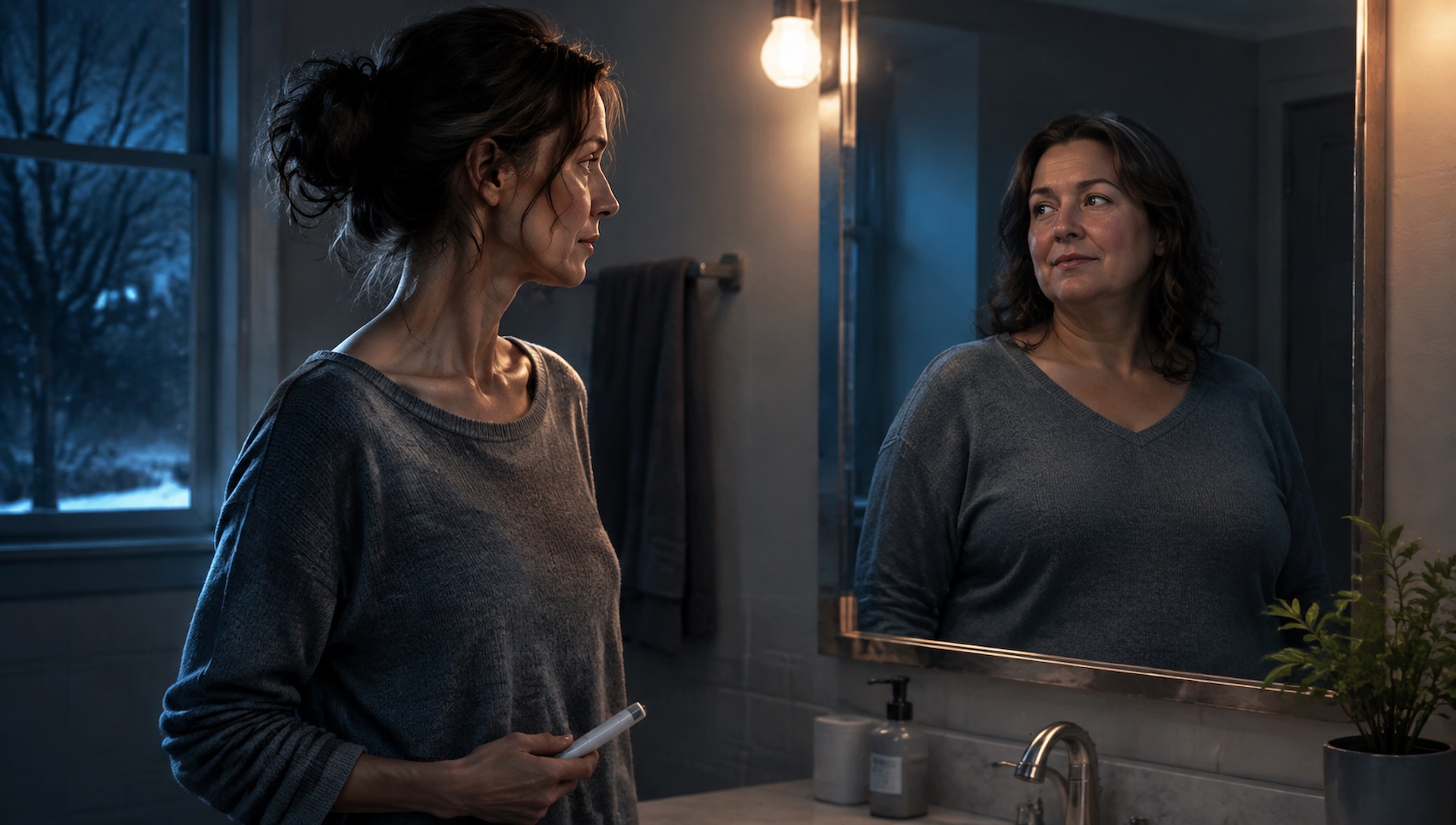
A new FDA eye warning, a steep monthly price and research on what happens after the shots stop are sharpening one question for North Country families using GLP-1 drugs: are the changes going to last?
They have become some of the most talked-about prescriptions in America. Ozempic, Wegovy, Mounjaro and Zepbound belong to a class of drugs known as GLP-1 receptor agonists, first approved to treat type 2 diabetes and now prescribed to millions of people trying to lose weight. In the North Country, as everywhere else, they come up at kitchen tables, in break rooms and in doctors' offices.
On Nov. 9, the U.S. Food and Drug Administration announced that it is requiring every manufacturer of a GLP-1 drug to add a warning about a rare but serious eye condition to the product label. The agency was careful to call the risk rare. But the warning arrives as patients and families weigh a larger set of questions about these medicines: what they cost, what happens when people stop taking them, and whether a smaller number on the scale means a healthier life.
What the FDA found
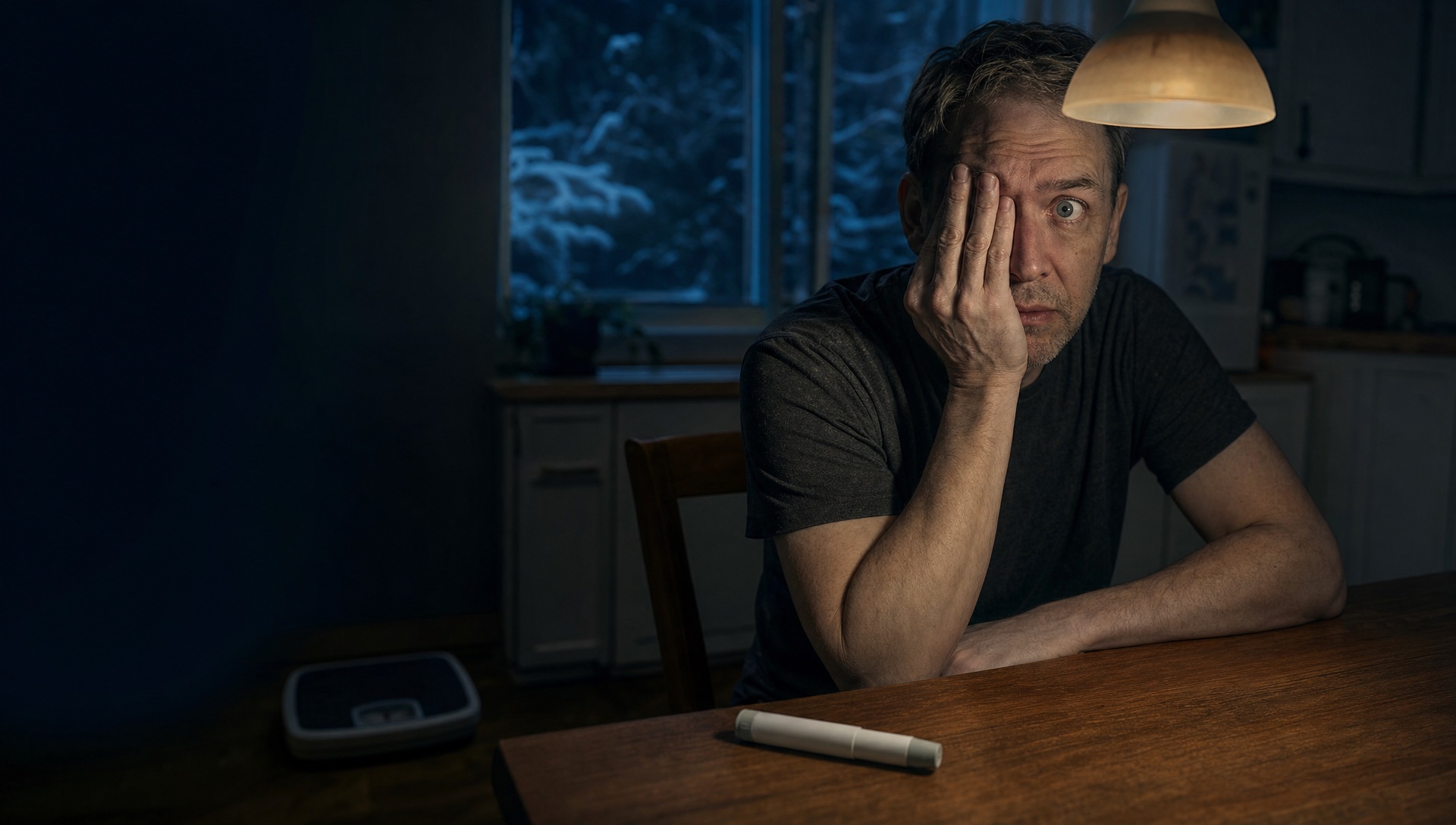
The condition is called non-arteritic anterior ischemic optic neuropathy, or NAION. It happens when blood flow to the optic nerve drops, and it typically causes sudden, painless vision loss in one eye. The damage is often permanent.
According to the FDA, NAION cases have been reported with every GLP-1 drug now on the market. To measure the risk, the agency analyzed 126 randomized, controlled clinical trials. It estimated about 6.4 NAION cases per 100,000 person-years among patients taking a GLP-1 drug, compared with 3.8 among patients in the comparison groups. Reviewers identified 15 probable NAION events in those trials: 10 among GLP-1 patients and five among placebo patients.
The FDA also said the overall evidence linking the drugs to NAION is mixed, and its review of animal data did not identify a mechanism that would explain a higher risk. Eli Lilly, which makes Mounjaro and Zepbound, said the communication does not reference findings specific to its medicines.
The agency's advice to clinicians is direct: refer patients with suspected NAION to an eye specialist, and consider stopping the GLP-1 drug in a patient who develops it unless the benefits clearly outweigh the risk. For patients, the takeaway is to know the warning sign, sudden loss of vision in one eye, and to treat it as an emergency, not to stop a prescribed medication on their own.
 Illustration
A hormone your body already makes
GLP-1 is not a laboratory invention. Glucagon-like peptide-1 is a hormone the gut releases after a meal. It helps the pancreas release insulin, slows how quickly food leaves the stomach and signals the brain that the body has had enough to eat. It is one reason a full meal leaves a person feeling satisfied.
The body's own GLP-1 is short-lived. Enzymes break it down within a couple of minutes. The prescription versions are engineered to resist that breakdown, so a single injection of semaglutide, the active ingredient in Ozempic and Wegovy, keeps working for about a week. That longer, stronger signal is what makes the drugs effective at lowering blood sugar and appetite.
For many patients, that signal does real good. The FDA has approved Wegovy to lower the risk of heart attack and stroke in certain adults with heart disease and excess weight, and Zepbound to treat moderate to severe obstructive sleep apnea in adults with obesity. For people with type 2 diabetes, GLP-1 drugs have been a mainstay for years. Doctors who prescribe them point out that obesity is a chronic disease, not a failure of willpower, and that medication can be the right tool.
Weight is not the whole picture
The FDA approved Wegovy and Zepbound for weight management to be used together with a reduced-calorie diet and increased physical activity. The medications were never meant to replace those habits. They were meant to work alongside them.
That matters because weight loss is not all fat loss. Studies of GLP-1 drugs show that part of the weight people lose is lean tissue, including muscle. Many physicians and dietitians encourage patients on these drugs to eat enough protein and add strength training, so that the weight that comes off is more fat and less of the muscle that keeps people strong and steady as they age.
Appetite suppression can also mean eating less of everything, including the fruits, vegetables and protein the body needs. A patient can lose weight and still be short on nutrition, short on fitness and short on sleep. The scale will not show any of that.
 Illustration
When the injections stop
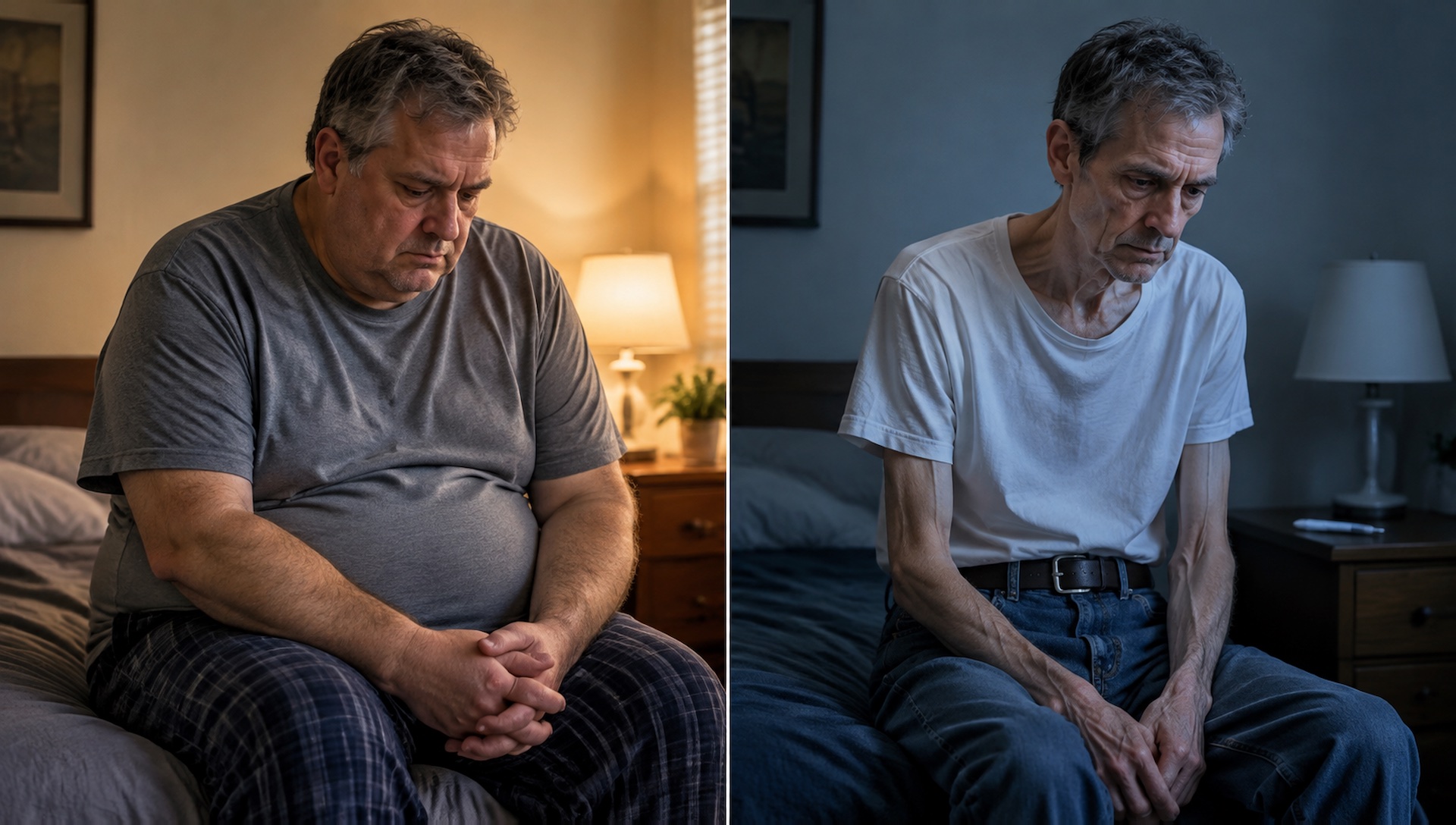
Research on what happens after people stop taking GLP-1 drugs is consistent: much of the weight tends to come back.
In the STEP 1 trial extension, adults who stopped weekly semaglutide regained about two-thirds of the weight they had lost within a year, and improvements in blood pressure, blood sugar and cholesterol largely faded with it. In the SURMOUNT-4 trial, published in JAMA, people switched from tirzepatide to a placebo regained about 14% of their body weight over the following year, while those who stayed on the drug kept losing.
A 2026 analysis in The BMJ led by researchers at the University of Oxford pooled 37 studies of more than 9,000 adults. It found that weight returned faster after stopping weight-loss medication than after ending a diet-and-exercise program, and estimated that, on average, people would be back to their starting weight in about a year and a half. Improvements in heart-health markers were projected to disappear on a similar timeline.
None of that means the drugs failed. It means obesity behaves like other chronic conditions, such as high blood pressure, where treatment often works only as long as it continues. And it means the plan for after the first year deserves as much attention as the first prescription.
What it means in the North Country
For families in Jefferson, Lewis and St. Lawrence counties, the long-term question is also a money question. Coverage for weight-loss use varies widely by insurance plan, and many patients pay part or all of the cost themselves.
Novo Nordisk lists $349 a month as its self-pay price for standard Wegovy doses through its NovoCare pharmacy program. Actual costs vary by medication, dose, insurance coverage and eligibility for manufacturer programs. Eli Lilly sells Zepbound vials directly at prices that vary by dose. New York's Medicaid program generally does not pay for drugs prescribed only for weight loss, though GLP-1 drugs prescribed for type 2 diabetes are covered, and exceptions for other approved uses can apply.
Price shapes the long-term picture. A treatment that works only while it continues costs thousands of dollars a year, every year. For a household budgeting through a North Country winter, that makes the question of what comes after the prescription a practical one, not just a medical one.
Cost also pushes some people toward cheaper online offers of compounded or unapproved versions of semaglutide and tirzepatide. The FDA has warned that it does not review those products for safety, effectiveness or quality, and has received reports of dosing errors. Patients who want lower-cost options are better served asking their prescriber or pharmacist about manufacturer programs and insurance appeals.
The choice that lasts
For many people, GLP-1 drugs are a genuine medical advance. They can lower blood sugar, reduce weight and, for some patients, reduce the risk of serious heart problems. The FDA's new warning does not change that. It is a reminder that every medicine carries trade-offs, and that patients deserve to know them.
What the research keeps returning to is time. The benefits tend to last as long as the treatment does, and the habits that support health, eating well, staying active, sleeping enough and keeping muscle strong, are the part of the plan no prescription can supply.
Whether the plan includes a prescription, a daily walk, a different grocery list or all three, the question for every reader is the same: am I making changes that will actually last?
Common questions about GLP-1 drugs
- What did the FDA announce about GLP-1 drugs on Nov. 9, 2026?
- The FDA is requiring all GLP-1 receptor agonist makers to add a warning about NAION, a rare eye condition that can cause sudden vision loss, to the Warnings and Precautions section of their labels. Its analysis of 126 clinical trials estimated about 6.4 cases per 100,000 person-years on the drugs versus 3.8 for comparison patients.
- What is NAION?
- Non-arteritic anterior ischemic optic neuropathy is a condition in which reduced blood flow damages the optic nerve. It typically causes sudden, painless vision loss in one eye, and the loss is often permanent.
- Should I stop taking my GLP-1 medication because of the warning?
- Do not stop a prescribed medication on your own. The FDA calls NAION rare. Talk with your prescriber about your own risk, and seek care immediately if you notice sudden vision loss.
- Does weight come back after stopping a GLP-1 drug?
- For many people, yes. In the STEP 1 extension, people regained about two-thirds of lost weight within a year of stopping semaglutide, and a 2026 BMJ analysis estimated a return to starting weight in about a year and a half on average.
- How much does Wegovy cost without insurance?
- Novo Nordisk lists $349 a month for standard Wegovy doses through its NovoCare self-pay program, about $4,188 a year. Actual costs vary by medication, dose, insurance and program eligibility.
- Does New York Medicaid cover GLP-1 drugs for weight loss?
- New York Medicaid generally does not cover drugs prescribed only for weight loss. GLP-1 drugs prescribed for type 2 diabetes are covered, and exceptions can apply for other approved uses. Check with your plan or prescriber.
More from ClickNNY


Tell us what we missed
Know something North Country readers should hear about this? Send the ClickNNY desk a local tip, a correction or a photo.
Editor’s note: This story is general health information, not medical advice. Anyone taking a GLP-1 medication should talk with their prescriber before starting, changing or stopping it. Sudden vision loss is a medical emergency: get care right away. Sources: U.S. Food and Drug Administration drug safety communication (Nov. 9, 2026); The BMJ (2026); JAMA (2024); Diabetes, Obesity and Metabolism (2022); Novo Nordisk NovoCare pricing.