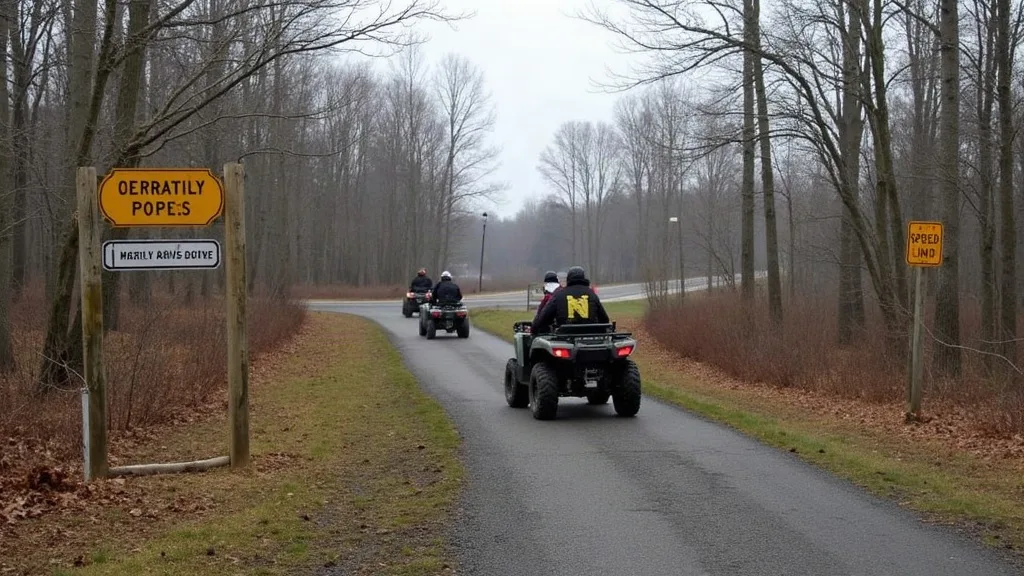
St. Lawrence County trail use draws conflict as study and rule debate continue
St. Lawrence County’s multi-use trail system is at the center of a dispute over noise, litter, environmental concerns, enforcement and the use of off-highway vehicles on public roads, while a Clarkson University study examines the system.
By Jessica Hale, ClickNNY North Country Desk
A dispute over St. Lawrence County’s multi-use trail system has brought complaints about noise, litter, environmental effects and alleged intoxicated driving, while county officials and Clarkson University examine how the system is used and enforced.
Lynda Bage and Becky Allen helped form St. Lawrence County Neighbors for Sensible OHV Standards. The group brought its concerns to county legislators several times beginning in spring 2026. The town of Colton has reaffirmed its ban on all-terrain vehicles and utility terrain vehicles on town roads, while some residents have displayed signs calling for the roads to be made legal for ATV use.
The county’s 2026 trail rules prohibit alcohol on the trail. They also require machines to be registered and insured, riders to wear helmets and eye protection, and users to follow posted speed limits and remove their litter. The county’s annual OHV permit costs $65 for the first machine. The trail system is marking its 20th anniversary in 2026 and was re-established through Local Law 1 of 2021, which also created the permit process.
New York generally prohibits most ATVs and UTVs from public roads unless a road is specifically marked for that use. The issue has also reached the state level. Senate bill S7298 would increase the maximum dry weight for an ATV to 2,000 pounds and the maximum width to 80 inches. The bill was referred to the Transportation Committee, with its most recent listed action dated Jan. 7, 2026.
Study and public input
St. Lawrence County hired Clarkson University to study the trail system. The third and final public input session was scheduled for Sept. 24 at 5:30 p.m. at Amvets Bingo Hall, 25 Rutman Road, Parishville. The Sheriff’s Office has attended each Clarkson input session as officials consider enforcement options.
The system is operated primarily by clubs and volunteers and connects Massena, Brasher, Parishville, Colton, Russell and Lewis County. Off-road riding is also part of rural life in the North Country, where residents use machines for activities including hunting and farming. County legislators have supported a resolution backing the state UTV registration proposal.
Residents have raised similar concerns in earlier discussions, including allegations of reckless riding. A 2012 generic environmental impact statement covers the trail system. Trail-length figures have varied among public descriptions, so the county’s official trail information is the best source for current system details.
Where to get information
Residents can find county trail information and the 2026 rules on the St. Lawrence County Multi-Use Trails page and in the 2026 trail rules. Questions about trails can be directed to the St. Lawrence County Department of Highways at 44 Park Street in Canton or 315-379-1542. The Sheriff’s Office handles trail-enforcement concerns, while Clarkson University and the County Board of Legislators can provide updates about the study and any action on the state bill.
Reported by ClickNNY and reviewed by an editor before publication.
More from ClickNNY
Guides and features from across the North Country.
ClickNNY Guide · Fort Drum
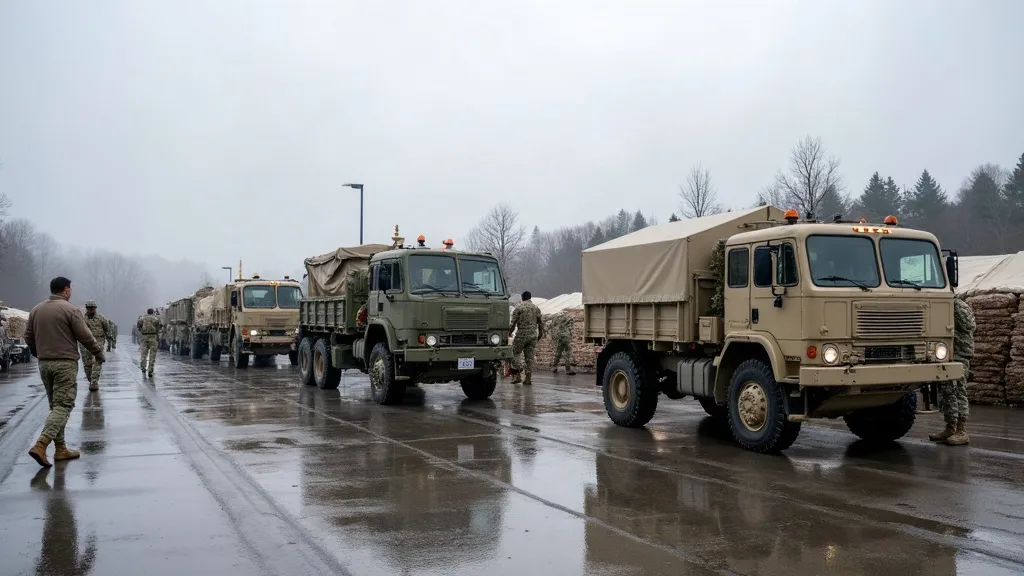
Fort Drum ERDS: How the Army manages excess equipment
The Army’s Equipment Redistribution and Divestiture Site program helps units redistribute or turn in excess equipment, including a Fort Drum operation that processed 16,426 pieces from April through June 2026.
ClickNNY Guide · Fort Drum
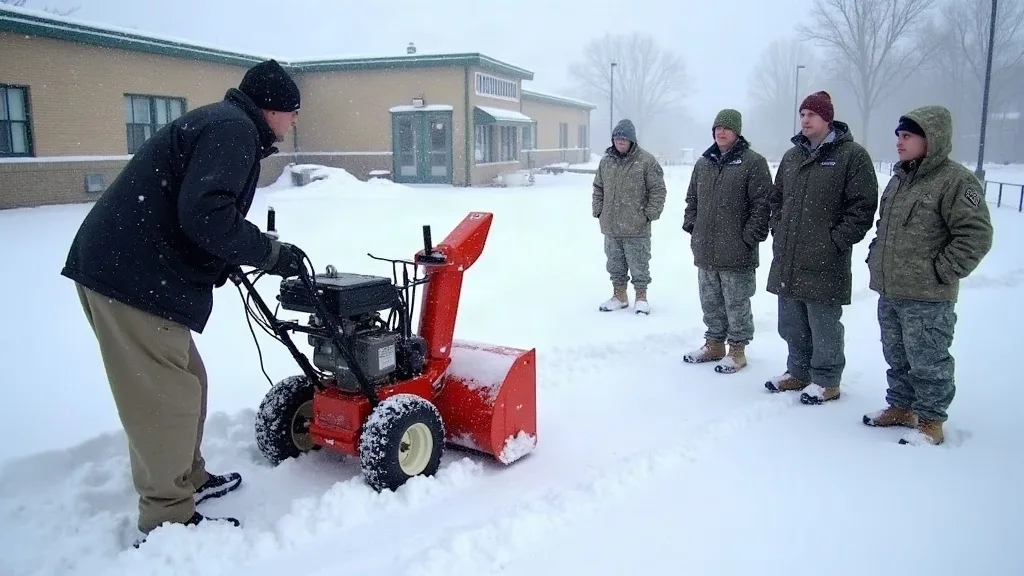
North Country winter driving and snow blower safety: what to know
Fort Drum Safety Office courses and New York guidance offer North Country residents advice on winter driving, vehicle preparation and snow blower operation.

ClickNNY Featured · Technology
Two Flaws, Millions of Websites: Inside the PHP Emergency and Why the Web Keeps Ending Up Here
Governments in Europe pulled websites offline Wednesday, and U.S. officials told anyone who can't patch to do the same. Here's what broke, why the internet keeps landing in this spot, and what North Country businesses, churches and town offices should do today.